
Sequencing and Bioinformatics Services
We offer a range of genome sequencing and testing services. We focus on those who have little experience with big data comparative genomics or transctiptomics. We also offer general testing services using whole genome sequencing such as species identification and relatedness testing for breeding exotic animals.
For inquiries, please email evomedlab@tamu.edu
All prices include data post-processing, storage and backup, delivery.
Genome alignment, variant calling, and comparative genomic analyses will be discussed on a per-project basis.
Genomic testing
Whole genome sequencing and comparison to existing animals (relatedness, disease screening, breed or species identification: $500
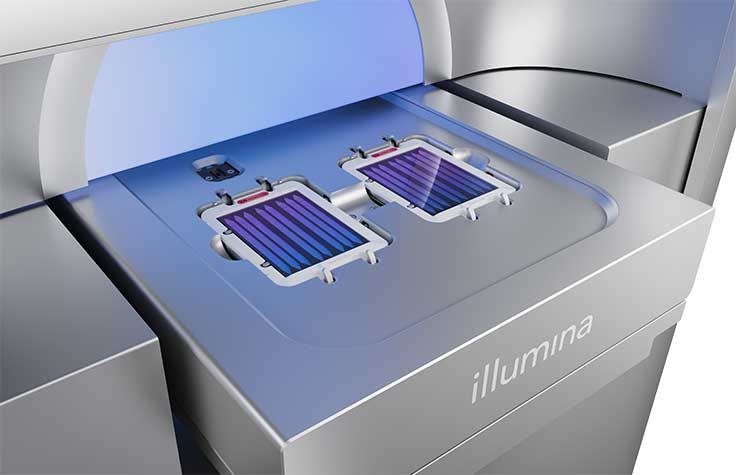
Sequencing: lllumina paired end 150bp sequencing, including library preparation and QC (no DNA extraction). All sequenced on a Novaseq X on a 25B flowcell using 300 cycles.
Batch sequencing (per lane, coverage varies by sample number and genome size)
Illumina library prep and QC
NovaSeqX 25B Single Lane, 300 cycles (~900 gigabase output)
DNA extraction from blood or tissue
Standard column-based extraction for short read sequencing
High molecular weight DNA extraction (reagent based)
High molecular weight DNA extraction (kit based)
DNA cleanup per sample (if needed) when DNA is provided by client:
Long Read Sequencing
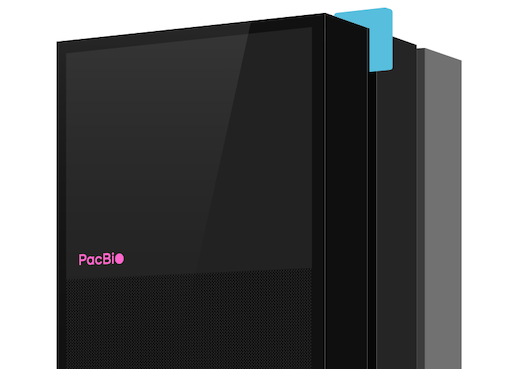
Pacific Biosciences Revio (library prep, one SMRT cell)
Oxford Nanopore library prep
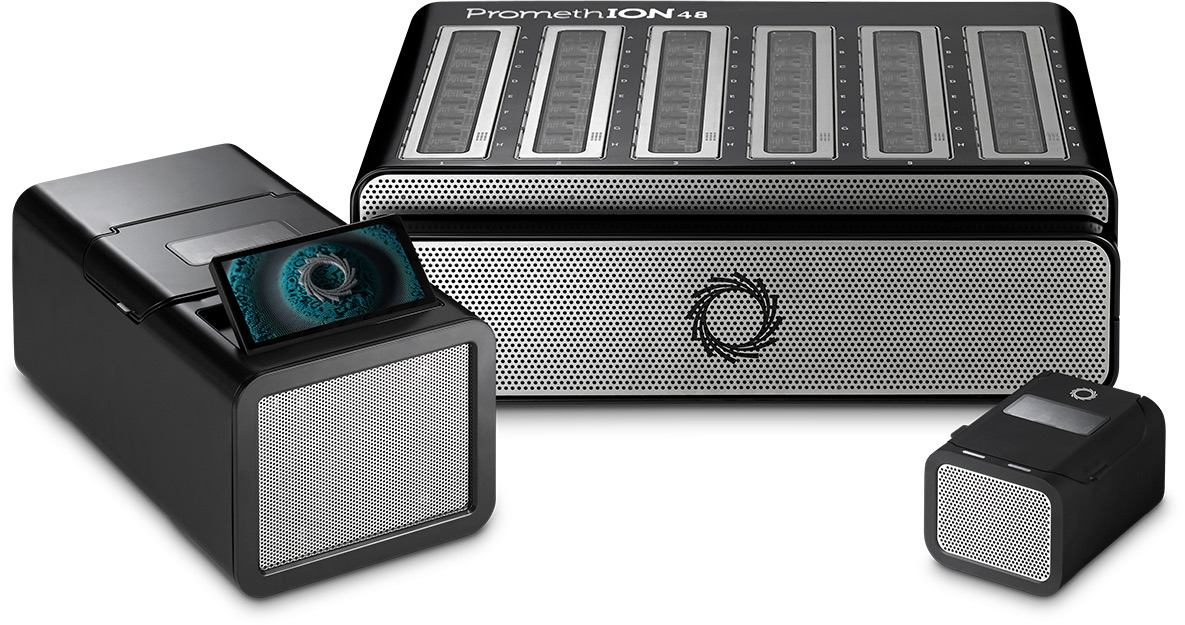
Oxford Nanopore PromethION Flow Cell R10.4.1
Hi-C Chromatin Conformation Capture (genome size 1.0-3.0 billion bases)
Hi-C preparation (extraction, crosslinking, digestion, library prep)
Hi-C sequencing (lllumina paired-end 150bp, 400 million reads)
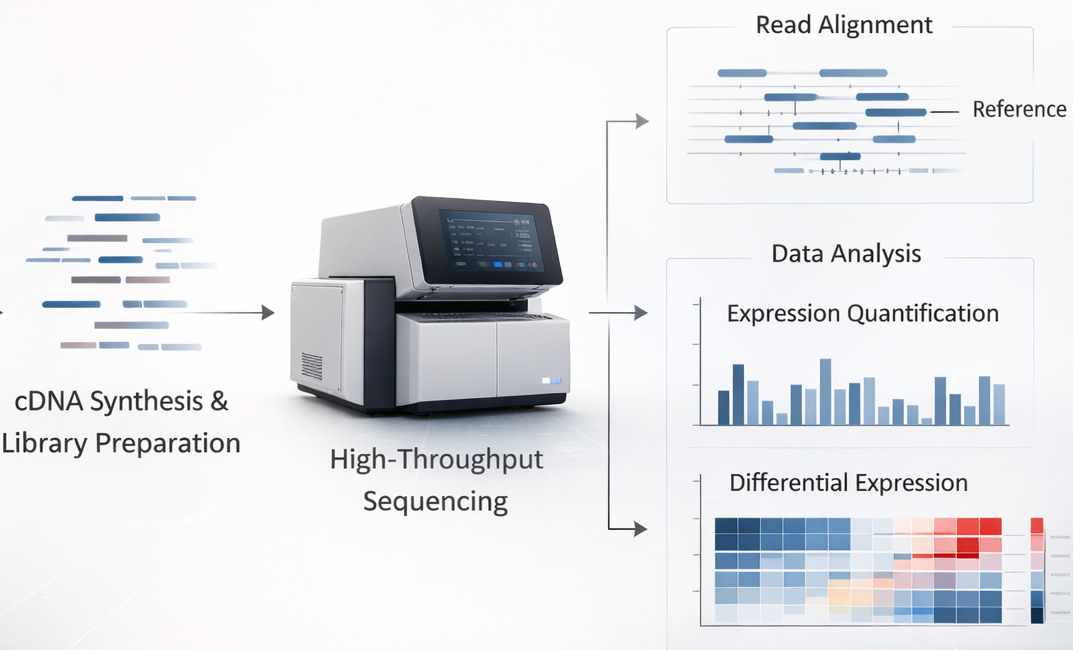
Bulk RNA sequencing (RNA-seq)
Ribosomal depletion library preparation
Polyadenylation capture library preparation
Illumina paired-end sequencing
Chromatin Immunoprecipitation sequencing (ChIP-seq)
Cell fixation, chromatin fragmentation, target immunoprecipitation and purification
Illumina paired-end sequencing
Reduced Representation Bisulfite Sequencing (RRBS, for 5-methylcytosine characterization)
Oxidize 5-methylcytosine (5mC) and 5-hydroxymethylcytosine (5hmC) to 5-carboxylcytosine (5caC). Reduce to dihydrouracil
Illumina paired-end sequencing
